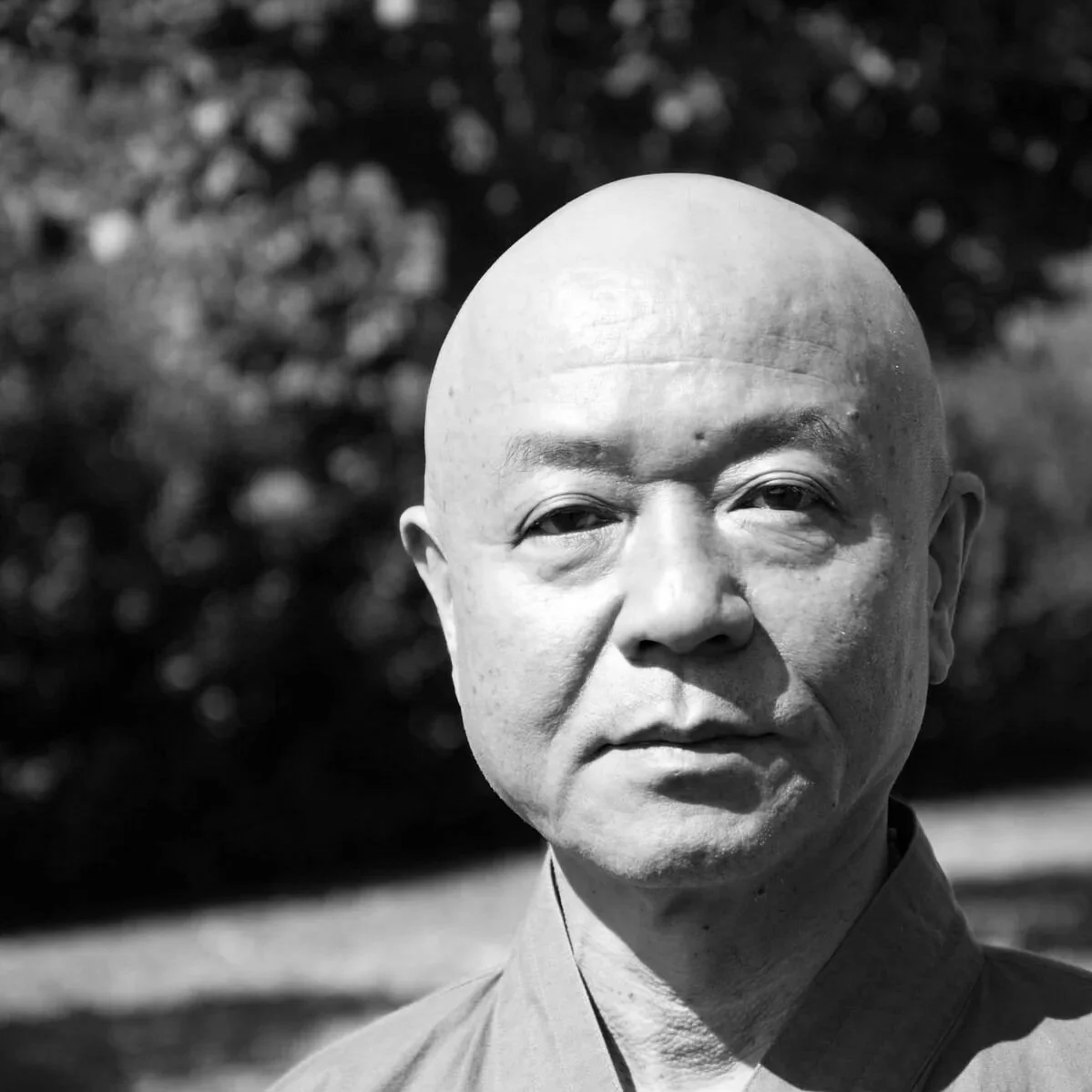
Somei Satoh
Somei Satoh has emerged as one of Japan’s most highly acclaimed composers. Filtered through Toru Takemitsu’s cross-cultural prism, his work shares similarities with the post-Minimalism of composers such as Arvo Pärt and Henryk Gorecki as well as the sacred music of iconoclasts such as John Tavener…

Arvo Pärt
On 5 December 1976, Arvo Pärt heard on the radio of Benjamin Britten’s death and was deeply affected by the news. The composer has said: "I had just discovered Britten for myself. Just before his death I began to appreciate the unusual purity of his music – I had had the impression of the same kind of purity in the ballads of Guillaume de Machaut…
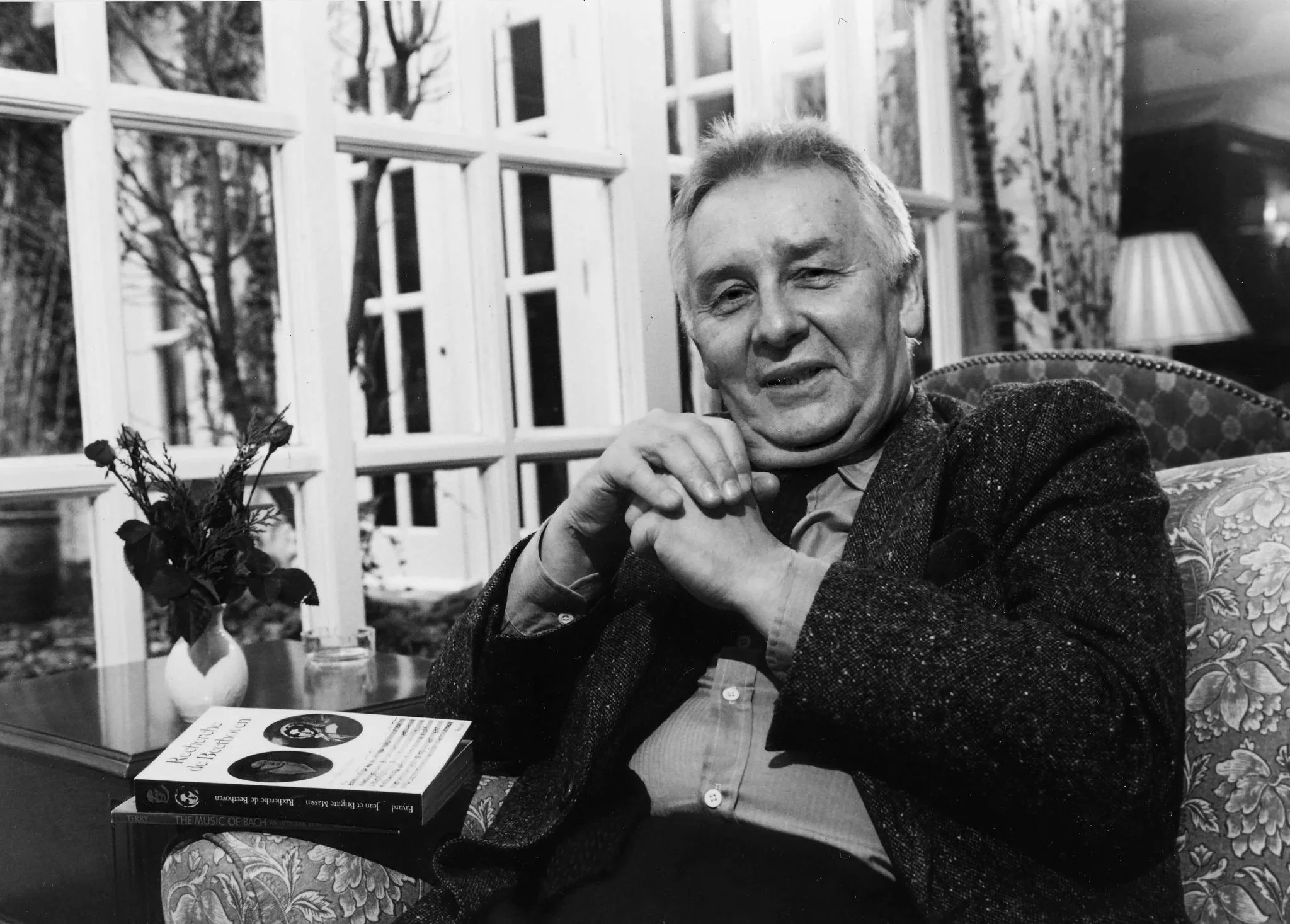
Henryk Mikołaj Górecki
Three Pieces in an Old Style - Henryk Mikołaj Górecki
As the title suggests, the work refers to the style of the old ages, a characteristic which first appeared in Górecki's music in the 1960s. The inspiration was provided by papers on old Polish music which had been published in the magazines "Muzyka" and "Ruch Muzyczny" in 1958-61 and included Karol Hławiczka's series "Ze studiów nad muzyką polskiego Odrodzenia" / "From the Studies of the Polish Renaissance Music"….
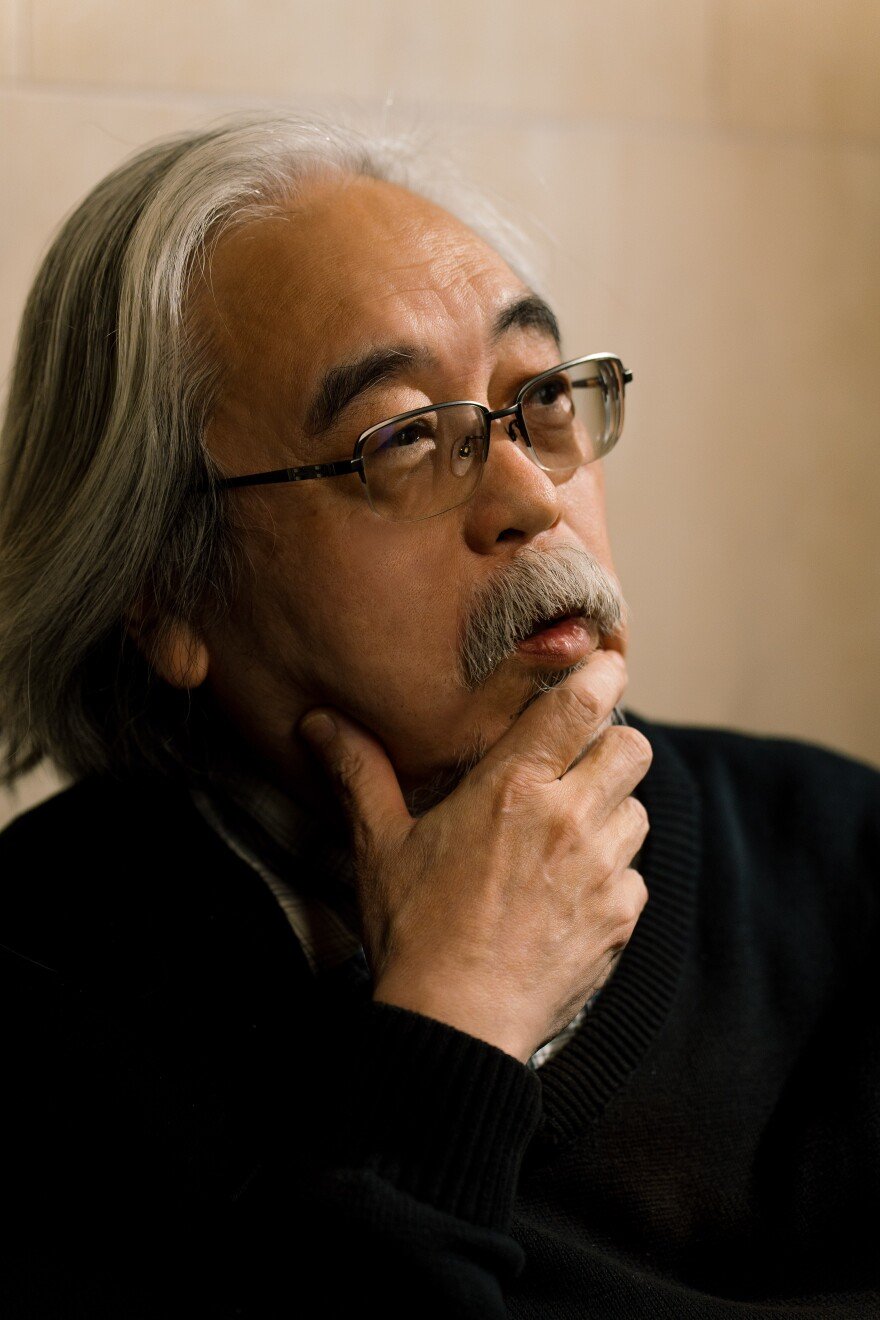
Takashi Yoshimatsu
Takashi Yoshimatsu was born in Tokyo in 1953, at a time when Japanese composers had embraced the trend towards avant-garde techniques. While absorbing these, Yoshimatsu opposed the general fashion, returning to popular rhythms and romantic melody and coming to be regarded as the standard-bearer of Neo-Romanticism in Japan…

Kiyoshige Koyama
“Kiyoshi Koyama was born in Nagano Prefecture in 1914. His composition teachers included Kornei Abe, a student of composer/conductor Klaus Pringsheim, and Tomojiro Ikenouchi. He didn't turn to composing music until he was almost 30, and although he was strongly nationalistic and influenced by such figures as his contemporary Akira Ifukube, whose work was heavily based on traditional material, Koyama's musical voice didn't emerge until after Japan's imperialist period was over…